Private-label hibiscus, lemongrass, and gotukola wellness tea blends for hotels
HORECA snapshot
- A pure hibiscus, lemongrass, and gotukola blend contains no Camellia sinensis, so on a Sri Lankan label it is a herbal infusion, not tea. That distinction changes the common name and which licensing applies.
- The wellness angle is a claim decision. Caffeine-free and the botanical names are free to state; a functional benefit claim must be substantiated under the Food (Labelling and Advertising) Regulations 2022, in force across Sri Lanka in 2026 (Ministry of Health), and a gotukola traditional-medicine claim can push the SKU under Department of Ayurveda registration.
- Silk Foods Ceylon (SFC) private-labels the blend from its Matale herbal portfolio in pyramid, string-and-tag, and filter-paper bags or loose leaf in kraft pouches, BRCGS- and FSSC 22000 V6-audited.
- Because the blend already exists and the line is audited, a first run is small and priced per SKU. Hold an SLSI buffer before the shelf date and confirm the current window with SLSI.
Sri Lanka’s hotel and wellness groups increasingly build a spa or wellness identity around what a guest drinks, not only what they eat. A caffeine-free herbal blend served at check-in, on a spa menu, or in a wellness-suite amenity carries that identity in a cup, and the category behind it is growing: the global herbal tea market was worth around USD 4.24 billion in 2026, pulled along by caffeine-free and wellness demand (Towards FnB, 2026). Hibiscus, lemongrass, and gotukola is one of the most requested combinations, because it looks and tastes like wellness and reads as local. The decision that trips most programmes is not the blend. It is what the label is allowed to say about it.
Why a wellness tea blend is a private-label product, not a menu order
A back-of-house pot of herbal infusion brewed in the spa kitchen is a service item. A branded box, caddy, or sachet a guest is served, takes home, or buys at the counter is a packaged retail food, and it is a private-label product. The difference matters because the value in a hotel wellness tea is the brand and the story, not the recipe. The blend already exists. What the hotel is buying is its own label on a proven formulation, cleared to sit on a shelf.
That is what private labelling does at Silk Foods Ceylon. The hotel picks a blend from the SFC herbal portfolio, approves a packed sample in the chosen format, and signs off label artwork. The formulation cost that usually forces a high minimum order is removed, because the blend is already developed and the line is already audited. The same small-run economics that make a boutique gift-shop tea viable, set out in the post on private-label herbal tea for a boutique hotel gift shop, carry straight over to a wellness-menu SKU. A tea also sits naturally beside the capsule side of a hotel wellness line, such as private-label ashwagandha capsules for a HORECA wellness gift shop, on the same audit and the same counter.
Is a hibiscus, lemongrass, and gotukola blend actually tea?
Legally, no. Tea is the leaf of Camellia sinensis. A blend of hibiscus calyces, lemongrass, and gotukola contains none of it, which makes the product a herbal infusion, or tisane, not a tea. In Sri Lanka the distinction is not cosmetic. The Sri Lanka Tea Board regulates tea, the Camellia sinensis product, under the Tea (Tax and Control of Exports) Act and the Sri Lanka Tea Board Law (Sri Lanka Tea Board). A pure herbal blend falls outside that tea framework and is handled as a packaged food under the Food Act.
For the label, the practical consequence is the common name. Calling the product a tea when it carries no Camellia sinensis is a mislabelling risk. Naming it a herbal infusion, a herbal blend, or a wellness infusion is accurate and keeps the product cleanly inside the food-labelling framework. The same line decides the path for a distributor blending imported and local leaf, covered in the post on co-packing imported teas into Sri Lankan retail tea bags. A blend that does include Ceylon black or green tea alongside the botanicals is a tea and re-enters the Tea Board’s frame; a caffeine-free botanical-only blend does not.
What a wellness tea label can and cannot claim
This is where a wellness positioning meets the regulations, and where most briefs need a second look. Under the Food (Labelling and Advertising) Regulations 2022, in force across Sri Lanka from 2026, the common name appears in Sinhala, Tamil, and English, alongside the ingredient list, net weight, and the manufacturer’s details. Descriptive facts about the blend are free to state: caffeine-free is true of a botanical-only infusion and needs no permission, and naming hibiscus, lemongrass, and gotukola as ingredients is simply accurate.
A functional or health claim is a different category. Saying the blend calms stress, lowers blood pressure, or aids memory is a claim that is controlled under the regulations and has to be supported by evidence, not marketing intent, before it appears on a Sri Lankan label. There is published evidence behind some of these botanicals, and it is worth knowing what it does and does not support before it goes near artwork. The table separates the wording a wellness brand tends to want from what each phrase actually requires.
| What the label says | Regulated claim? | What it requires |
|---|---|---|
| Caffeine-free herbal infusion | No, a factual descriptor | True of a botanical-only blend; state it freely |
| Contains hibiscus, lemongrass, gotukola | No, an ingredient statement | Accurate ingredient list in Sinhala, Tamil, English |
| Naturally refreshing / soothing to drink | Borderline sensory language | Keep it sensory, not a health outcome |
| Calming, reduces stress, aids memory | Yes, a functional health claim | Substantiation held on file under the 2022 regulations |
| Traditional Ayurvedic wellness / therapeutic | Yes, a traditional-medicine claim | Department of Ayurveda registration for the product and claim |
The evidence is real but qualified, which is exactly why a claim needs its file rather than a headline. A 2022 meta-analysis in Nutrition Reviews found hibiscus lowered systolic blood pressure by around 10 mmHg against placebo, with the largest effect in people whose pressure was already elevated (Nutrition Reviews, 2022). For gotukola, a 2017 systematic review in Scientific Reports reported it may support working memory and mood, while noting the evidence for broader cognitive benefit is not yet conclusive (Scientific Reports, 2017). Both are grounds a brand could build a substantiated claim on, but the claim still has to be held on file and worded within the regulations.
Gotukola is the botanical that pulls this into Ayurveda territory. It is a recognised herb in the Sri Lankan traditional pharmacopoeia, and the moment a product leans on that heritage with a therapeutic or traditional-medicine claim, it can be treated as an Ayurvedic product rather than an ordinary food. That is a Department of Ayurveda path, under the Ayurveda Act No. 31 of 1961, which registers Ayurvedic products and issues prior media approval for the claims they carry (Department of Ayurveda). The line is the claim, not the ingredient. A gotukola infusion sold as a caffeine-free herbal drink stays a food; the same infusion sold as a memory or wellness remedy crosses into Ayurveda registration. The capsule version of that same decision is worked through in the post on private-label Ayurvedic capsules and the Ayurveda-versus-SLSI line.
One wellness brand at Silk Foods Ceylon designed a gotukola blend carton with reduces stress and improves memory printed across the front, artwork approved, launch date set. The blend was fine. The claims were not cleared, and printed that way they needed either substantiation on file or an Ayurveda registration the brand had not filed for. The fix was a label that described the drink honestly, caffeine-free, herbal, the botanicals named, and moved the therapeutic language off the pack. The lesson costs nothing at the design stage and a reprint after it.
How the three botanicals balance in the blend
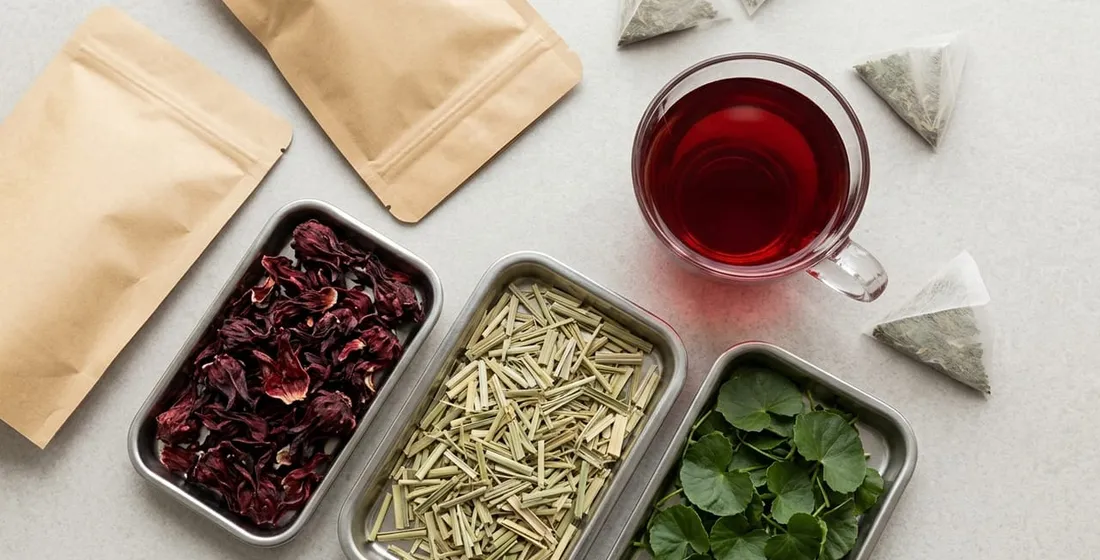
The three ingredients do very different jobs, and the blend is a balancing act the R&D team runs before the recipe locks. Hibiscus is the driver. It sets the deep ruby-red colour of the liquor and brings a sharp, cranberry-like tartness, and because it dominates both colour and acidity, its proportion decides how the whole cup reads. Lemongrass is the aromatic top note, a clean citrus lift that softens the hibiscus edge. Gotukola is the wellness hero the positioning rests on, but it is grassy and slightly bitter, so it works at a low inclusion where it signals the botanical without taking over the taste.
The R&D team usually lands a balanced hibiscus, lemongrass, and gotukola blend in two to four sample iterations. Most of the work is holding the hibiscus back enough that the cup is refreshing rather than sour, and setting the gotukola level high enough to matter on the label without turning the flavour green. Sourcing helps here: gotukola grows across the Matale district and the wet zone, so a fresh, correctly identified raw material is a same-week order, which the post on Ayurvedic herb sourcing and traceability covers in more depth. Getting the species right matters, because gotukola is easily confused with lookalike pennyworts.
What does a first private-label wellness tea run cost?
Because the blend is drawn from the SFC portfolio and the line is already audited, a first run is structured per SKU and stays small, which is the whole point for a hotel testing a wellness line across one or two properties. Format sets most of the unit economics. A pyramid or filter-paper bag in a carton of 15 to 25 reads premium on a spa tray and in a gift-shop box; loose leaf in a 50 g to 250 g kraft pouch tells a provenance story and suits a refillable in-room caddy. The blend, the bag, and the outer carton are specified together so the aroma survives a warm, humid room.
The cert stack is the same one that clears any SFC retail SKU: BRCGS- and FSSC 22000 V6-audited on the manufacturer side, with SLSI clearance and Sri Lanka Food Act compliance on every packaged retail unit. A packed sample of a portfolio blend takes one to two weeks. SLSI publishes no processing time, so confirm the current window at submission and plan a buffer between sign-off and the shelf date. The same amenity-to-retail crossover a hotel should design in from the first run is set out in the post on private-label tea bag programmes for hotel in-room amenity.
Service snapshot: Private Labelling at Silk Foods Ceylon
- Service: SFC applies the hotel’s brand to a herbal blend from its Matale portfolio, including hibiscus, lemongrass, and gotukola.
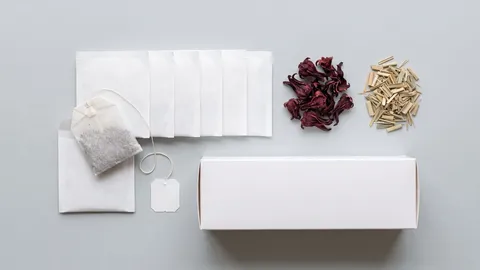
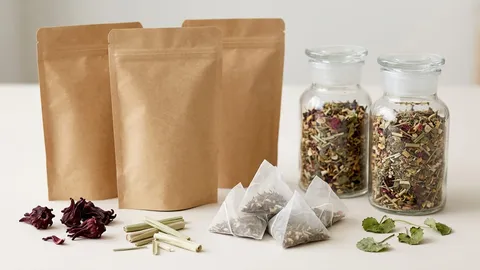
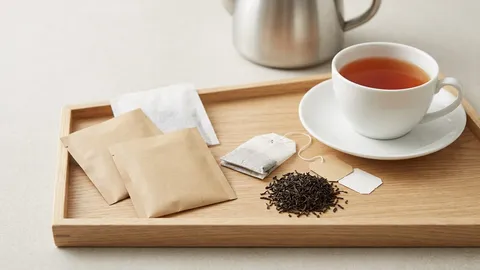
- Formats: pyramid, string-and-tag, round-paper, and filter-paper bags in cartons of 15 to 25, or loose leaf in 50 g to 250 g kraft pouches or glass jars.
- First run: small and per SKU, because the blend already exists and the line is audited; no bespoke formulation cost.
- Lead time: 1 to 2 weeks to a packed sample; confirm the SLSI window at submission and hold a buffer before the shelf date.
- Cert coverage: BRCGS- and FSSC 22000 V6-audited, with SLSI clearance and Sri Lanka Food Act compliance on every retail SKU.
Frequently asked questions
Does Silk Foods Ceylon make a private-label hibiscus, lemongrass, and gotukola wellness tea?
Yes. SFC private-labels the blend from its Matale herbal portfolio in pyramid, string-and-tag, round-paper, and filter-paper bag formats or as loose leaf in 50 g to 250 g kraft pouches, finished under the hotel’s own brand. The line is BRCGS- and FSSC 22000 V6-audited, with SLSI clearance on every retail SKU.
Can a hibiscus and gotukola blend be called tea on a Sri Lankan label?
No. Tea is the leaf of Camellia sinensis, which a botanical-only blend does not contain, so the accurate common name is herbal infusion or herbal blend. The Sri Lanka Tea Board regulates tea; a pure herbal blend sits outside that frame and is labelled as a packaged food under the Food Act.
Can a wellness tea claim it reduces stress or lowers blood pressure?
Only with substantiation. Under the Food (Labelling and Advertising) Regulations 2022, a functional health claim must be supported by evidence held on file, and a traditional-medicine claim on gotukola can require Department of Ayurveda registration. Caffeine-free and the ingredient names are factual and need no clearance.
How long does SLSI clearance take for a private-label herbal tea?
For a packaged herbal infusion with a stable formulation SLSI publishes no turnaround time for the submission, so confirm the current window at filing. Plan a buffer between manufacturer QA sign-off and the target shelf date, and build the trilingual retail label into the first run so a gift-shop sale needs no re-work.
How Silk Foods Ceylon can help
For hotel and wellness groups building a caffeine-free herbal line, Silk Foods Ceylon (SFC) private-labels a hibiscus, lemongrass, and gotukola blend from its Matale portfolio in pyramid, string-and-tag, round-paper, and filter-paper bags or loose leaf in 50 g to 250 g kraft pouches, all under the hotel’s own brand. First runs stay small and per SKU because the blend already exists and the line is audited, which keeps a one-or-two-property wellness pilot affordable in LKR terms. The Matale facility is BRCGS- and FSSC 22000 V6-audited, with SLSI clearance and Sri Lanka Food Act compliance on every retail SKU, and the in-house R&D team balances the blend and maps the claim wording, including the Department of Ayurveda line on gotukola, before the label is printed. The submission workflow is set out step by step in the SLSI packaged-food guide.
To brief an in-room or wellness-menu programme, email brands@esilkroute.com.lk or call +94 77 157 7294.
Sources
- Ministry of Health, Sri Lanka (2023), “Food (Labelling and Advertising) Regulations 2022”, Gazette Extraordinary No. 2319/40, https://www.eohfs.health.gov.lk/food/images/2319-40_E.pdf (retrieved 2026-07-10).
- USDA Foreign Agricultural Service (2023), “Sri Lanka Enacts New Legislation for Food Labeling and Advertising”, https://apps.fas.usda.gov/newgainapi/api/Report/DownloadReportByFileName?fileName=Sri+Lanka+Enacts+New+Legislation+for+Food+Labeling+and+Advertising_Colombo_Sri+Lanka_CE2023-0011.pdf (retrieved 2026-07-10).
- Sri Lanka Tea Board, “Legal and Statutory Information” (Tea (Tax and Control of Exports) Act No. 16 of 1959; Sri Lanka Tea Board Law No. 14 of 1975), https://srilankateaboard.lk/sri-lanka-tea-board/legal-and-statutory-information/ (retrieved 2026-07-10).
- Department of Ayurveda, Sri Lanka, “Regulation of Local Ayurveda Drugs / Products Registration” (Ayurveda Act No. 31 of 1961), https://ayurveda.gov.lk/ayurveda-medicine-and-production-regulatory-council/ (retrieved 2026-07-10).
- Nutrition Reviews (2022), “A systematic review and meta-analysis of the effects of Hibiscus sabdariffa on blood pressure and cardiometabolic markers”, Vol. 80(6):1723, https://academic.oup.com/nutritionreviews/article/80/6/1723/6470525 (retrieved 2026-07-10).
- Scientific Reports (2017), “Effects of Centella asiatica (L.) Urb. on cognitive function and mood related outcomes: A Systematic Review and Meta-analysis”, https://www.nature.com/articles/s41598-017-09823-9 (retrieved 2026-07-10).
- Towards FnB (2026), “Herbal Tea Market Size to Capture USD 4.24 Billion in 2026”, https://www.towardsfnb.com/insights/herbal-tea-market (retrieved 2026-07-10).
Written by the Silk Foods Ceylon Team. Silk Foods Ceylon (Pvt) Ltd. is a BRCGS- and FSSC 22000 V6-audited contract manufacturer in Matale, Sri Lanka, offering contract manufacturing, private labelling, co-packing, and in-house R&D for local Sri Lankan brand owners, FMCG companies, hotel and restaurant groups, and distributors. To brief a project: brands@esilkroute.com.lk or +94 77 157 7294.